
Pet insurance • Seattle and Washington

Choose Seattle pet insurance with state-specific checks

Local fit includes Washington waiting rules, the actual clinic payment arrangement and your pet’s full offer.

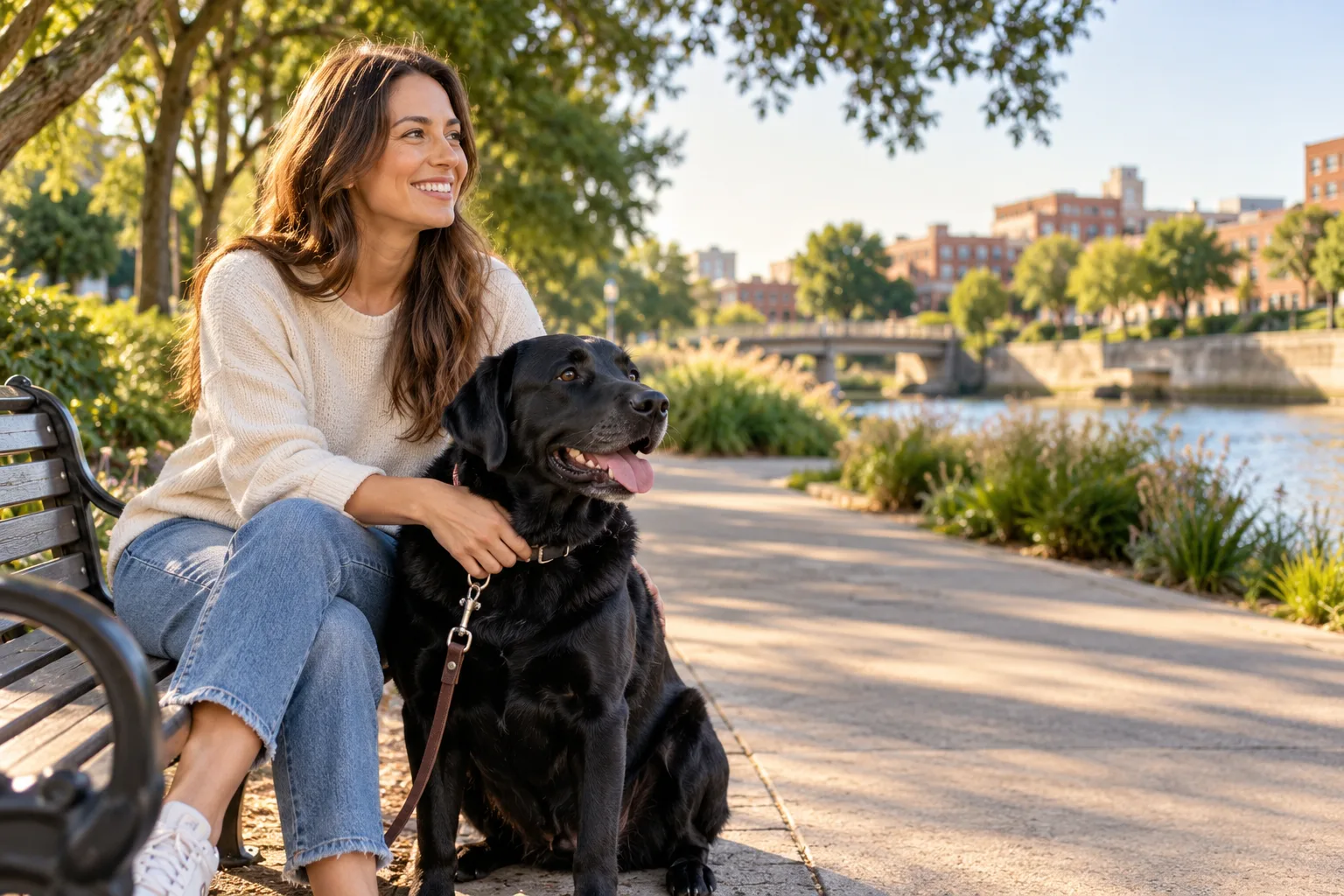
Owner sitting with a dog in a green city park
✓ Policy-first ✓ Independent ✓ Useful checks
Direct answer
For Seattle, begin with an actual Washington offer and your clinic’s payment needs. Washington’s waiting-period rules can materially change the comparison, so do not copy a national waiting-period chart into a Seattle decision.
What to know

Use Washington rules before ranking speed

RCW 48.205.050 prohibits accident waiting periods and permits disclosed waits of no more than 30 days for illnesses or orthopedic conditions not caused by an accident. It also requires a medical-examination waiver provision for those permitted waits. The policyholder pays for that examination unless the policy states otherwise.

A national table showing a long orthopedic wait may describe another state or another version. Ask for the Washington disclosure, the relevant definition and the waiver procedure. A waiver is not a promise to cover a condition already excluded because of earlier signs, and a short wait is not evidence of a broader benefit.

Do not interpret “no accident waiting period” as coverage before the policy begins, or as approval of every injury claim. Obtain the effective date and the exclusions. If a quoted Washington wait conflicts with the rule, ask the insurer to identify the applicable form and explain the discrepancy; the state insurance commissioner’s resources can help with unresolved questions.

Compare

Compare the available route and the required proof

Route to investigate Potential reason to retain it Seattle-specific verification
Trupanion Washington offer Per-condition structure and possible hospital direct payment Current Washington form, condition grouping and confirmation at the specific hospital

The public state routes establish somewhere to start, not your pet’s acceptance or a citywide best price. Trupanion’s Washington disclosure identifies a per-condition deductible and a legal issuer; preserve the document matching the current offer.

Do not equate a company’s local presence, a neighborhood recommendation or a nearby office with better medical coverage. No Seattle claims-response survey, hospital-participation audit or personalized quote collection was performed here. If you add another candidate, require the same level of evidence rather than comparing a full contract with a marketing summary.

Coverage

Use Seattle’s routine-care options before pricing extra benefits

Seattle Animal Shelter’s Spay and Neuter Clinic offers a specific surgical service, not a general emergency clinic. Its official page says it does not accept walk-ins or emergencies, and the booking page sets income qualifications. Check current eligibility and appointment access before counting it in a care budget. A listing does not reserve a slot for your pet.

Seattle Humane’s Community Clinic is another local lead for income-qualified wellness care, with its main campus in Bellevue and community services around King County. Its current page says it is not a full-service clinic, has limited diagnostics and cannot treat chronic conditions or emergencies. Confirm the location and suitable service rather than assuming the organization’s name describes every kind of Seattle care.

This can change the insurance comparison in a precise way. If a routine service is accessible at a confirmed local price, compare the additional insurance-package charge with the reimbursement you could actually use for that service. Do not count a maximum allowance as an automatic saving. Keep illness and emergency protection in a separate decision, because these local programs do not replace it.

If access or eligibility is unconfirmed, run the comparison both with and without the local option. Do not choose a weaker medical policy on the assumption that a restricted clinic will handle any future problem. The best Seattle configuration should remain workable when an appointment is unavailable or the pet needs a different kind of practice.

What to know

Ask the clinic a different question from the insurer

Ask your regular veterinarian which emergency or specialty practice they would use, then ask that practice what you would owe at admission or checkout. Separately ask the insurer who receives payment, what approval is needed and how you pay the deductible and excluded charges. These two conversations resolve different risks.

For example, an owner may be able to sustain a monthly premium but unable to advance the hospital’s deposit. A reimbursement policy can still reduce the final cost, but it does not solve that timing problem by itself. If you are relying on direct payment, obtain confirmation from the particular practice and insurer; a website’s general capability is insufficient.

Do not assume that a clinic accepts or rejects every health policy in the same way as a human medical network. For reimbursement products, the critical requirements may instead be licensing, geographic scope, eligible care and documentation. Verify those contractual requirements rather than choosing solely from a clinic’s branded brochure.

What to know

Use one unresolved question to decide the next step

Choose the most consequential unanswered item before collecting more quotes. If it is a historical condition, ask about the records-review process. If it is a service benefit, identify the endorsement and cap. If it is a wait, request the Washington form and waiver instructions. If it is cash at the hospital, confirm that arrangement with the practice.

Then compare the full premium, owner cost and remaining limits for the offers that satisfy your requirements. Keep ongoing medical protection visible if you are replacing an existing policy; Washington renewal protections are a separate issue from a fresh purchase with another insurer.

The result should be a choice you can explain with documents, not an unsupported “best in Seattle” badge. Save the offer, selected options and written answers. Use a real Seattle residence and accurate medical history; neither a different ZIP nor a postponed vet visit makes an unsuitable policy fit. For symptoms or urgent care, contact the veterinarian promptly.

Evidence

Sources and policy context

These public references support the consumer or veterinary context. Named insurer details were checked in official product materials; the policy offered for your pet and state determines the actual terms.

Next step

Compare Current Pet Insurance Rates

Check current options for your pet and location, then compare the policy details, exclusions, costs, and eligibility before choosing.

Compare the policy before you choose Check the actual offer, exclusions and out-of-pocket terms.
See Rate Options